Neuromorphic Computing: Building Brain-Inspired Semiconductor Systems
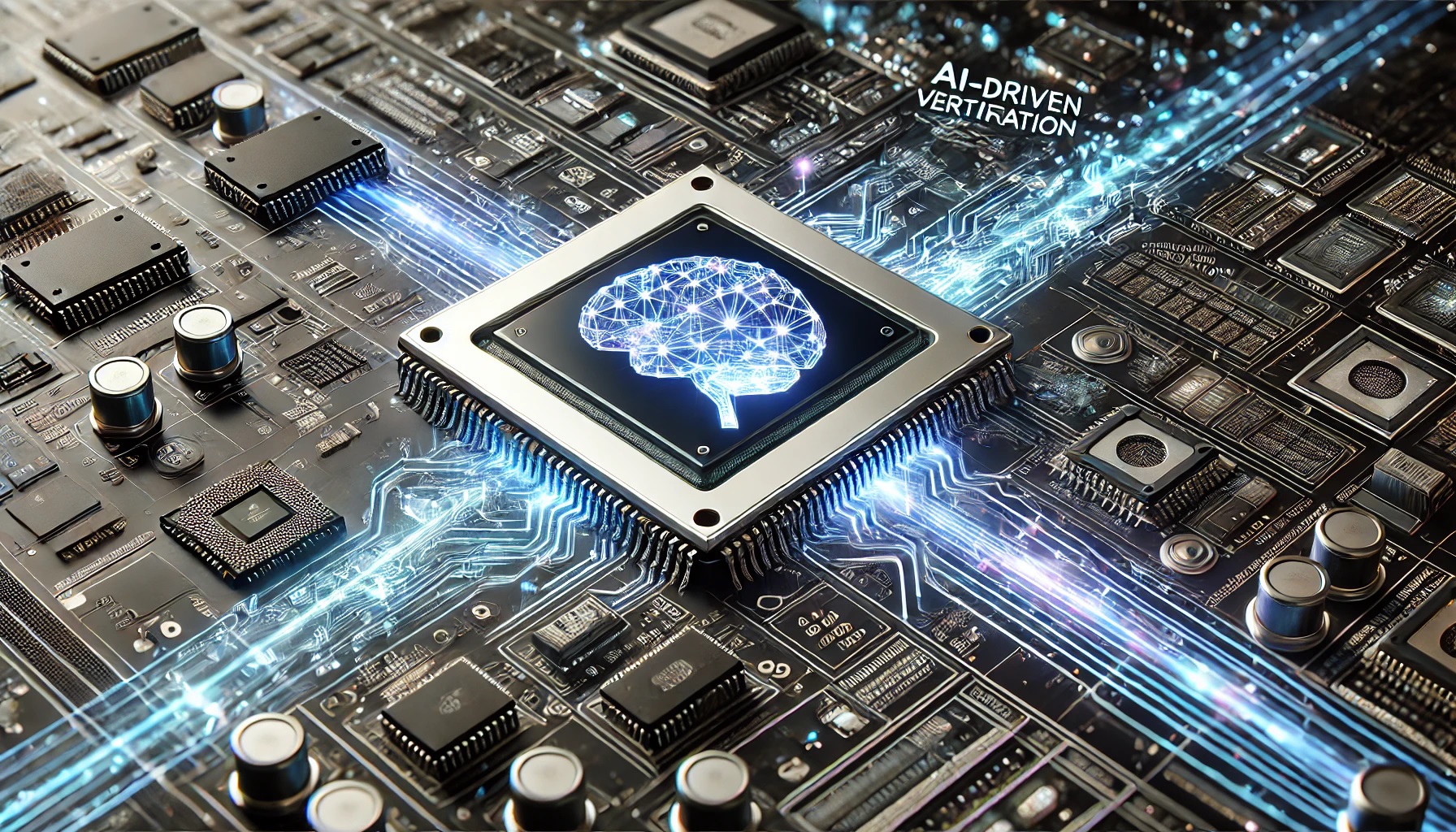
Neuromorphic computing represents a paradigm shift in semiconductor design, creating chips that mimic the brain's neural architecture and processing methods. These brain-inspired systems offer unprecedented energy efficiency and cognitive capabilities, opening new frontiers in artificial intelligence and autonomous systems. In this article, we explore the principles, technologies, and applications of neuromorphic computing.
1. The Foundation of Neuromorphic Computing
Neuromorphic computing draws inspiration from the human brain's neural networks, where information is processed through interconnected neurons that communicate via electrical and chemical signals. Unlike traditional von Neumann architectures, neuromorphic systems integrate memory and processing, enabling massively parallel computation with minimal power consumption. This approach addresses the fundamental limitations of conventional computing in handling complex, real-time cognitive tasks.
2. Key Technologies and Architectures
Several semiconductor technologies are enabling neuromorphic computing. Spiking Neural Networks (SNNs) use temporal information encoding similar to biological neurons. Memristor-based architectures provide non-volatile memory with synaptic plasticity. Silicon neurons replicate biological neural dynamics, while neuromorphic sensors process sensory information in real-time. These technologies work together to create systems that learn, adapt, and process information like biological brains.
3. Applications and Use Cases
- Autonomous vehicles with real-time perception and decision-making
- Robotics and industrial automation with adaptive learning
- Edge computing devices with ultra-low power consumption
- Brain-computer interfaces and medical prosthetics
- IoT sensors with intelligent data processing
4. Design Challenges and Innovations
Designing neuromorphic systems presents unique challenges. The complexity of neural dynamics requires sophisticated modeling and simulation tools. Power efficiency must be balanced with computational accuracy. Scalability remains a challenge as systems grow in complexity. However, innovations in materials science, device physics, and system architecture are rapidly advancing the field, enabling more sophisticated and practical neuromorphic solutions.
5. The Future of Brain-Inspired Computing
As neuromorphic computing matures, we can expect systems that not only mimic brain function but also enhance human cognitive capabilities. The integration of neuromorphic chips with traditional computing will create hybrid systems that leverage the strengths of both approaches. This convergence will drive innovation across industries, from healthcare to transportation, enabling new applications that were previously impossible.
Neuromorphic computing is not just another computing paradigm—it's a fundamental reimagining of how we process information. At Vibrancify, we're helping clients navigate this revolutionary technology, developing the semiconductor expertise and design methodologies needed to build the brain-inspired systems of tomorrow.