Quantum Computing: The Next Revolution in Semiconductor Technology
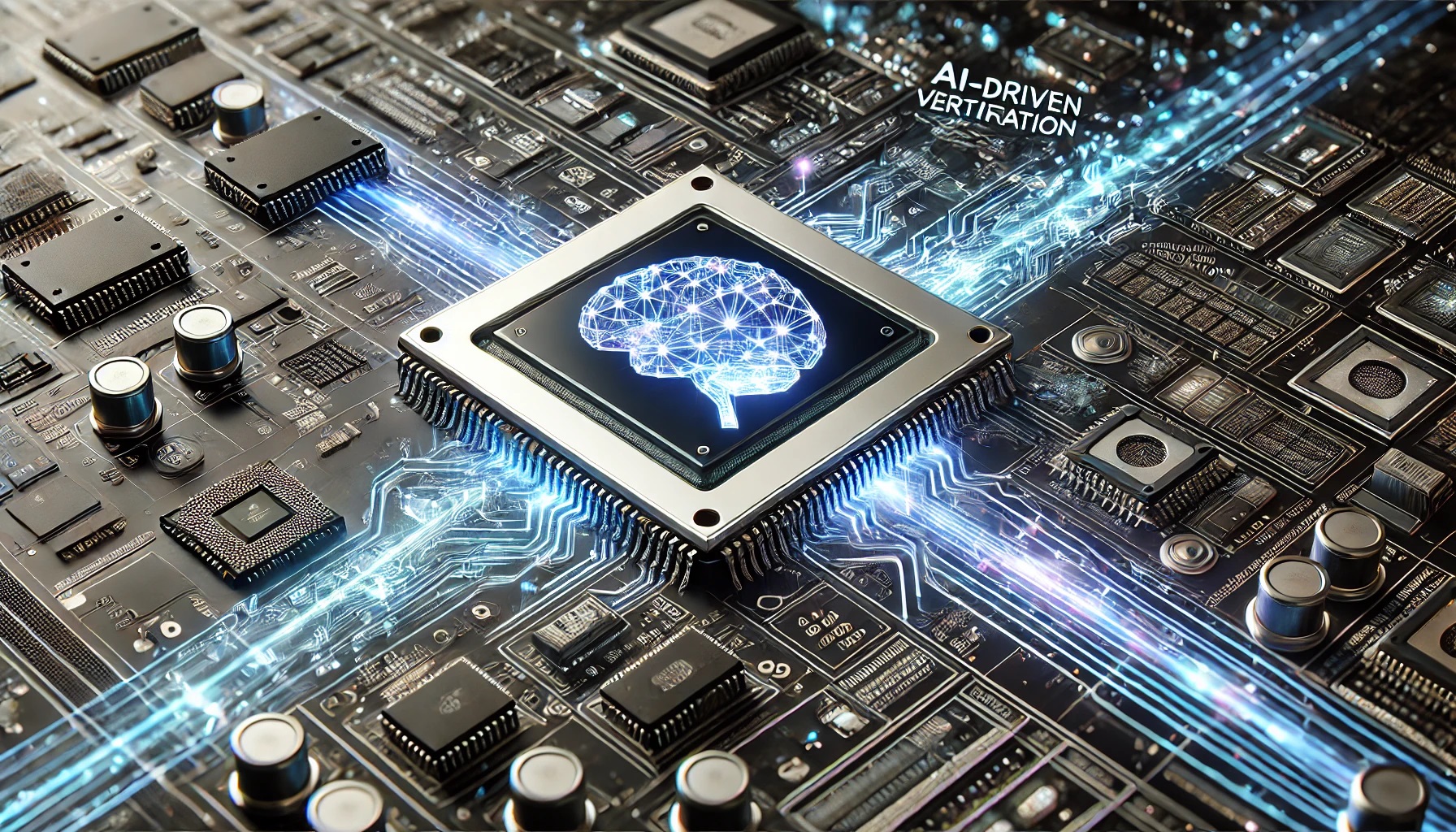
Quantum computing represents the most significant technological leap since the invention of the transistor. By harnessing the principles of quantum mechanics, quantum computers can solve problems that are intractable for classical computers. In this article, we explore how quantum computing is reshaping semiconductor technology and what this means for the future of computing.
1. The Quantum Revolution in Computing
Quantum computing leverages quantum mechanical phenomena such as superposition and entanglement to process information in fundamentally new ways. While classical computers use bits that are either 0 or 1, quantum computers use quantum bits (qubits) that can exist in multiple states simultaneously. This enables quantum computers to explore vast solution spaces in parallel, making them particularly well-suited for complex optimization problems, cryptography, and scientific simulations.
2. Semiconductor Technologies for Quantum Computing
Several semiconductor technologies are being developed for quantum computing applications. Superconducting qubits, based on Josephson junctions, are among the most advanced approaches. Silicon-based quantum dots offer the potential for integration with existing semiconductor manufacturing processes. Topological qubits, based on exotic materials, promise greater stability and error resistance. Each approach presents unique challenges and opportunities for semiconductor design and manufacturing.
3. Key Applications and Impact
- Cryptography and cybersecurity through quantum-resistant algorithms
- Drug discovery and materials science through quantum simulations
- Optimization problems in logistics, finance, and machine learning
- Artificial intelligence and machine learning acceleration
- Climate modeling and environmental research
4. Challenges in Quantum Semiconductor Design
Quantum computing presents unique challenges for semiconductor design. Qubits are extremely sensitive to environmental noise and decoherence, requiring sophisticated error correction and isolation techniques. The need for ultra-low temperatures and precise control systems adds complexity to the design process. Additionally, scaling quantum systems while maintaining coherence and connectivity between qubits remains a significant technical challenge.
5. The Future of Quantum-Classical Hybrid Systems
The most practical approach in the near term is quantum-classical hybrid systems, where quantum processors work alongside classical computers. These systems leverage the strengths of both technologies, using quantum processors for specific tasks while relying on classical computers for control, error correction, and data processing. This hybrid approach is driving innovation in semiconductor design and system architecture.
Quantum computing is not just a new technology—it's a paradigm shift that will transform how we approach computation and problem-solving. At Vibrancify, we're helping clients navigate this quantum revolution, developing the semiconductor technologies and expertise needed to build the quantum computers of tomorrow.